Can Stress Cause Hair Loss? Signs, Causes & Treatment Options
What Connection Does Stress & Hair Loss Have?
One of the most common questions people ask when they start noticing more hair in the shower, on their pillow, or in their brush is a simple one: Can stress cause hair loss?
The answer is yes. Stress can contribute to hair loss and, in some cases, make existing thinning more noticeable. However, stress-related hair loss is not always immediate or permanent. That is part of what makes it so confusing.
Many people go through a major stressful season and do not notice increased shedding until weeks or even months later. By that point, they may not connect the hair loss to the earlier stressor. They simply know their hair feels thinner, their scalp looks more visible, or their hairline does not look the way it used to.
At SMP Ink CDA, we work with men and women throughout Coeur d’Alene, North Idaho, Spokane, and surrounding areas who are trying to understand why their hair is changing and what realistic treatment options are available. Some clients are hoping for regrowth. Others are looking for a non-surgical way to improve the appearance of thinning hair, a visible scalp, or a receding hairline.
The first step is understanding how stress can affect the hair growth cycle and where scalp micropigmentation may fit into the larger conversation.
How Stress Can Contribute to Hair Loss
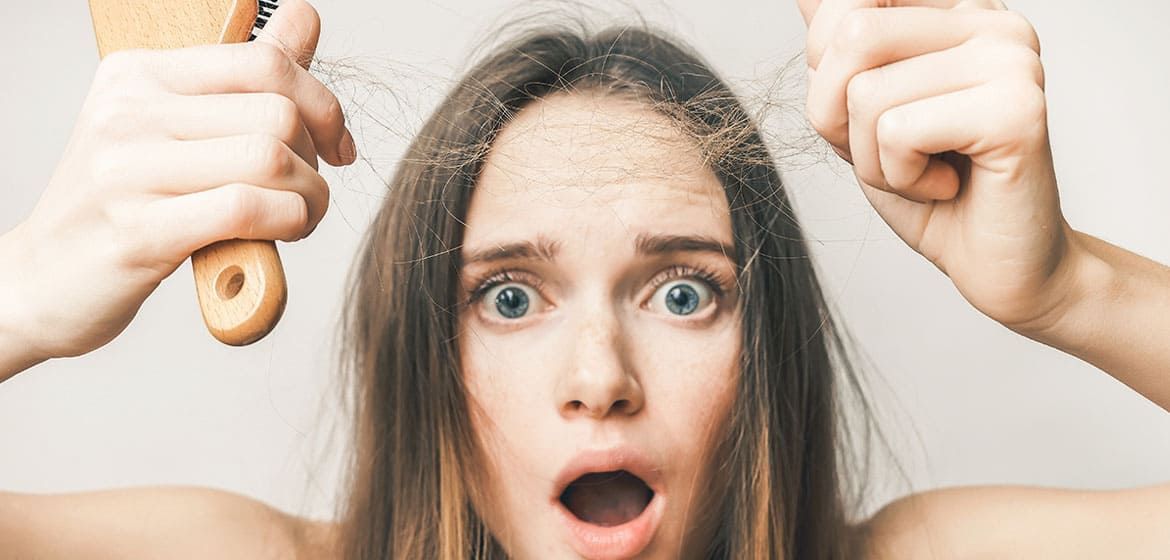
Hair grows in cycles. At any given time, some hairs are actively growing while others are resting or shedding. When the body experiences significant physical or emotional stress, that cycle can be disrupted.
One of the most common forms of stress-related hair loss is called telogen effluvium. This type of shedding occurs when a larger number of hairs enter the resting phase of the hair cycle and are shed later.
This is why the timing can feel so strange. The stressful event may happen first, but the shedding may not become obvious until weeks or months afterward.
Stress-related hair loss may happen after:
- Divorce or relationship changes
- Loss of a loved one
- Major illness
- Surgery or physical trauma
- Rapid weight loss
- Hormonal changes
- Financial pressure
- Chronic anxiety
- Burnout
- Poor sleep
- High-pressure work seasons
- Emotional trauma
- Major life transitions
In many cases, people are not dealing with one single stressful moment. They are dealing with months of pressure, poor sleep, anxiety, overworking, or emotional strain. Over time, the body may begin to show physical effects.
Hair health is not separate from the rest of the body. When the nervous system, hormones, immune system, and recovery processes are under stress, the hair cycle can be affected too.
Common Signs of Stress-Related Hair Loss
Stress-related hair loss often appears as shedding or overall loss of density rather than a single, perfectly defined bald spot. Some people notice it while washing their hair. Others notice it in photos, under bright lights, or when their hair is wet.
Common signs may include:
- More hair than usual in the shower
- Hair collecting on pillows, clothing, or brushes
- Excessive shedding while styling
- Increased scalp visibility
- A widening part line
- Thinner-feeling ponytails
- Thinning around the temples
- Overall loss of fullness
- Hair looking flatter or less dense than before
For men, stress-related shedding may make an existing receding hairline, thinning crown, or bald spot appear more obvious. For women, it may show up as a wider part line, reduced density, or more visible scalp through the top of the head.
If you are dealing with visible thinning but still have existing hair coverage, SMP density fill may help reduce the contrast between your scalp and hair, creating the appearance of fuller density.
What Type of Hair Loss Is Caused by Stress?
The type of hair loss most often associated with stress is telogen effluvium. This condition is typically triggered by a major stressor or change in the body.
With telogen effluvium, the follicle itself is usually not permanently destroyed. Instead, the hair cycle is disrupted. This is why stress-related shedding can sometimes improve over time once the body stabilizes and the underlying trigger is addressed.
However, there is an important distinction.
Stress does not always create hair loss entirely on its own. In some cases, stress accelerates or reveals thinning that was already beginning due to genetics, hormones, age, or other underlying factors. When that happens, the hair may not fully return to its previous density even after the stressful period has passed.
This is one reason proper expectations matter. Hair loss is highly individual. Two people can go through similar stress and experience very different outcomes.
Is Stress-Related Hair Loss Permanent?
Sometimes stress-related hair loss is temporary. Sometimes it improves partially. Sometimes it reveals a longer-term pattern of thinning.
The honest answer is that it depends.
If the hair follicles are still healthy and the cause is temporary, some regrowth may occur naturally once the body recovers. This may take time. Hair grows slowly, and it can take months to see meaningful improvement.
However, if stress has accelerated underlying genetic hair loss or hormonal thinning, the hair may not fully return on its own. In those situations, a person may need to consider additional treatment options depending on their goals.
Anyone experiencing sudden, severe, patchy, painful, or unexplained hair loss should consider speaking with a qualified medical provider or dermatologist. SMP Ink CDA provides cosmetic scalp micropigmentation services and does not diagnose or medically treat the underlying cause of hair loss.
Why Hair Loss Feels So Emotional
Hair loss is rarely just about hair.
For many people, hair is connected to identity, age, attractiveness, confidence, femininity, masculinity, and self-image. A change in hair density can affect how someone feels in photos, at work, while dating, in social settings, or even during ordinary daily routines.
Many male clients describe feeling tired of thinking about their hair all the time. They are tired of hats, harsh lighting, photos, swimming, dating, and wondering whether people can see their thinning scalp during conversations.
For men who want a cleaner, more defined, low-maintenance appearance, SMP for men can create the look of natural follicles and a closely shaved style.
Women often experience thinning hair in a deeply personal way. Hair can be closely tied to confidence, femininity, and identity. A widening part line or visible scalp can feel isolating, especially when many women suffer quietly without talking about it openly.
For women experiencing visible thinning or reduced density, SMP for women can help reduce scalp visibility and create the appearance of thicker-looking hair.
How People Usually Try to Fix Stress-Related Hair Loss
By the time many people start looking into scalp micropigmentation, they have already tried several hair loss products or treatments.
Common options people explore include:
- Specialized shampoos
- Hair growth supplements
- Scalp serums
- Red light therapy
- Medications
- Topical products
- Dietary changes
- Hair fibers
- Concealers
- PRP treatments
- Hair transplants
- Hats or hairstyles designed to hide thinning
Some approaches may help certain people depending on the cause of their hair loss. Others may produce inconsistent results or require ongoing maintenance. A product that works for one person may not work for another because hair loss is not caused by the same thing in every case.
This is why it is important to be realistic. There is no universal solution that works perfectly for everyone. The right option depends on the cause of the hair loss, the type of thinning, how much hair remains, and what the person wants to improve.
Where Scalp Micropigmentation Fits In
Scalp micropigmentation, commonly called SMP, is a non-surgical cosmetic procedure that uses specialized pigment to replicate the appearance of natural hair follicles.
SMP is not a hair growth treatment. It does not regrow hair follicles. It does not stop hair loss from medical conditions. It does not treat the underlying cause of stress-related shedding.
Instead, SMP improves the appearance of hair loss by creating the look of:
- Fuller density
- Reduced scalp visibility
- A more defined hairline
- A closely shaved scalp
- Better visual balance in thinning areas
- Camouflage for certain patchy areas or scars
For clients dealing with thinning hair from stress, genetics, hormonal changes, alopecia, or other causes, SMP can provide something many people have not felt in years: relief.
Relief from constantly checking the mirror. Relief from trying to hide thinning areas. Relief from worrying about lighting, photos, hats, and whether other people notice.
SMP for Thinning Hair and Density Loss
For people who still have existing hair but are bothered by scalp visibility, SMP density fill can be a strong option.
With SMP density fill, pigment impressions are placed between existing hairs to reduce the contrast between the scalp and the surrounding hair. This helps create the appearance of more fullness without adding actual hair.
Density fill may be helpful for people who:
- Have thinning hair, but still have coverage
- Notice scalp visibility under bright lighting
- Have a widening part line
- Want a fuller-looking appearance
- Are you tired of daily hair fibers or concealers
- Want a non-surgical cosmetic option
This can be especially valuable for stress-related shedding, when the scalp remains visible even after active shedding slows.
SMP for Hairline Recession
Stress may not be the only factor involved when someone notices recession around the temples or front hairline. In many cases, hairline recession is connected to a genetic pattern of hair loss.
For clients who want the appearance of a cleaner, more defined hairline, hairline restoration with SMP can help recreate the look of natural follicle density.
The goal is not to create an artificial or overly sharp hairline. The goal is to design a hairline that fits the client’s age, face shape, existing hair pattern, and desired look.
SMP for Alopecia and Patchy Hair Loss
Stress can sometimes overlap with other hair loss conditions, including autoimmune-related hair loss such as alopecia areata. While SMP does not cure alopecia or halt the underlying medical process, it may help improve the cosmetic appearance of certain visible thinning or patchy areas.
For people dealing with uneven or patchy hair loss, alopecia treatment with SMP may help create a more balanced and natural-looking appearance.
Does SMP Look Natural?
One of the most common concerns people have is whether SMP will look fake, obvious, or tattooed.
When performed correctly by experienced professionals, SMP should look natural and subtle in everyday life. The result depends on proper pigment selection, dot size, spacing, depth, density, and hairline design.
A professional SMP result should match the client’s skin tone, hair color, age, facial structure, and existing hair pattern. It should not look harsh, overly dark, or artificial.
This is why the consultation process is so important. A good SMP provider should evaluate the client’s hair-loss pattern, goals, skin type, expectations, and long-term maintenance needs before recommending a treatment plan.
Does SMP Hurt?
Most people are surprised by how manageable the process feels.
Many clients describe SMP as mild irritation or light scratching rather than intense pain. Comfort can vary based on individual sensitivity, the area being treated, and the length of the session, but SMP is generally considered far less invasive than surgical hair restoration.
SMP Ink CDA’s FAQ page explains that most clients complete treatment over multiple sessions and that SMP is non-invasive, with minimal downtime for most people.
How Long Does SMP Last?
SMP is designed to be long-lasting, not temporary.
Most clients can expect results to last for years before a touch-up may eventually be recommended. Over time, pigment can soften naturally due to skin type, sun exposure, lifestyle, and normal skin aging.
At SMP Ink CDA, clients receive:
- One-year warranty coverage
- Lifetime client support
- Future touch-up options at reduced pricing
- Ongoing aftercare guidance
Long-term support matters because the goal is not just to create a strong initial result. The goal is to help clients maintain a natural appearance over time.
Is SMP Right for Stress-Related Hair Loss?
SMP may be a good option for some people dealing with the visible effects of stress-related hair loss, but it depends on the situation.
If shedding is temporary and regrowth is expected, a person may choose to wait and monitor progress. If thinning has become more noticeable, is long-term, or is connected to genetic hair loss, SMP may help improve the appearance of density or hairline definition.
SMP may be worth considering if you:
- Have visible scalp exposure
- Are you tired of using hair fibers every day
- Want a non-surgical cosmetic solution
- Do not want hair transplant surgery
- Want a low-maintenance appearance
- Have thinning areas that make styling difficult
- Want to feel more confident in photos and daily life
SMP is not about pretending hair loss is simple. It is about offering a realistic cosmetic solution for people who want to look and feel more confident.
Moving Forward With Confidence
Stress can absolutely contribute to hair loss, but it is not always caused by a single factor. It may be temporary. It may be genetic. It may be hormonal. It may be related to illness, medication, lifestyle, or a combination of factors.
The most important thing is to avoid panic and get clear on your options.
For some people, the right next step is a medical evaluation. For others, it is time, recovery, and stress reduction. For many, it is a combination of medical guidance and cosmetic support.
At SMP Ink CDA, we help clients throughout Coeur d’Alene, North Idaho, Spokane, and the Inland Northwest explore scalp micropigmentation as a non-surgical option for improving the appearance of hair loss, thinning hair, scalp visibility, and hairline recession.
Whether your hair loss is connected to stress, genetics, alopecia, hormonal changes, aging, or another factor, you do not have to keep feeling consumed by it every day.
To learn more about whether SMP may be a good fit for your hair loss concerns, schedule a consultation.
Frequently Asked Questions About SMP Treatment and Hair Loss
Can stress really cause hair loss?
Yes. Significant physical or emotional stress can contribute to hair shedding. One common type is telogen effluvium, which may appear weeks or months after a stressful event.
What does stress-related hair loss look like?
Stress-related hair loss often appears as increased shedding, thinner density, more visible scalp, a wider part line, or more hair collecting in the shower, brush, or on pillows.
Is stress-related hair loss permanent?
Not always. In many cases, stress-related shedding may improve once the body stabilizes. However, stress can also reveal or accelerate genetic thinning that may not fully reverse on its own.
How long after stress does hair loss start?
Stress-related shedding often appears weeks or months after a major stressor. This delay is one reason many people do not immediately connect their hair loss to stress.
Can SMP fix stress-related hair loss?
SMP does not medically treat stress-related hair loss or regrow hair. It can improve the appearance of thinning hair by creating the look of fuller density, reduced scalp visibility, or a more defined hairline.
Is SMP good for thinning hair?
Yes, SMP can be a strong cosmetic option for people with thinning hair who want to reduce visible scalp contrast and create the appearance of fuller density.
Does SMP work for women with thinning hair?
Yes. SMP can help women with thinning hair by reducing scalp visibility around the part line, crown, or other areas where density has decreased.
How long does SMP last?
SMP is designed to last for years. Touch-ups may eventually be recommended depending on skin type, sun exposure, aftercare, lifestyle, and natural pigment softening over time.the natural softening of skin pigment