Can Hair Loss Be Reversed Naturally? What to Know Before Chasing Regrowth
What To Keep In Mind While Pursuing Hair Regrowth
One of the first things people search for after noticing thinning hair is whether hair loss can be reversed naturally.
It makes sense. Most people do not immediately want to think about procedures, prescriptions, hair transplants, or cosmetic treatments. They want to know whether the problem is temporary. They want to know if better nutrition, less stress, supplements, scalp oils, vitamins, or lifestyle changes can help their hair grow back.
Sometimes the answer is yes.
Sometimes the answer is partial.
Sometimes the honest answer is no, not fully.
Hair loss is not one single condition with one universal solution. The possibility of natural regrowth depends heavily on what is causing the hair loss, how long it has been happening, whether the hair follicles are still active, and whether the thinning is temporary or progressive.
At SMP Ink CDA, we regularly meet men and women throughout Coeur d’Alene, North Idaho, Spokane, and surrounding areas who have spent months or years trying to restore their hair naturally before exploring other options. Some clients have seen improvement. Some have seen small changes. Others have spent significant time and money without seeing the results they hoped for.
The goal of this article is not to dismiss natural approaches. It is to help you understand when natural hair regrowth may be realistic, when expectations need to be adjusted, and where scalp micropigmentation may fit as a non-surgical cosmetic solution for visible hair loss.
Not All Hair Loss Can Be Reversed the Same Way
One of the biggest reasons people become frustrated with hair loss is that different causes require different solutions.
A shampoo might improve scalp comfort but not reverse genetic baldness. A supplement might help someone with a deficiency, but do very little for someone with hereditary hair loss. Stress reduction may help with shedding caused by burnout, but it may not restore a hairline affected by years of follicle miniaturization.
Common causes of hair loss include:
- Genetics
- Hormonal changes
- Stress
- Thyroid conditions
- Nutritional deficiencies
- Illness
- Medications
- Rapid weight loss
- Postpartum changes
- Menopause
- Autoimmune conditions
- Aging
- Scalp inflammation or irritation
In some cases, correcting the underlying issue can help reduce shedding or support healthier regrowth. In other cases, especially with genetic hair loss, natural methods may improve scalp health or slow progression without fully restoring lost density.
That distinction matters. The question is not only, “Can hair loss be reversed naturally?” A better question is, “What type of hair loss am I dealing with, and what outcome is realistic?”
When Natural Hair Regrowth May Be Possible
Natural improvement is more likely when the hair follicle has not been permanently damaged and the trigger is temporary or correctable.
For example, some people may experience increased shedding after a stressful life event, illness, surgery, major weight loss, postpartum hormonal shifts, poor nutrition, or a period of physical strain. In those situations, the hair may begin to recover once the body stabilizes.
Natural regrowth may be more realistic when hair loss is connected to:
- Temporary stress-related shedding
- Nutritional deficiencies
- Poor sleep or chronic burnout
- Recent illness or physical stress
- Rapid weight loss
- Postpartum changes
- Certain medication-related shedding
- Scalp irritation that can be corrected
- Lifestyle factors affecting overall health
This does not mean recovery is instant. Hair grows slowly. Even when shedding improves, it may take months before visible density changes appear. Someone may stop losing hair before they actually see regrowth.
This waiting period can be emotionally difficult because the person may be doing the right things but still not seeing immediate results in the mirror.
Can Stress-Related Hair Loss Improve Naturally?
Yes, stress-related hair loss can sometimes improve naturally.
One of the most common forms of stress-related shedding is called telogen effluvium. This happens when stress or a major physical change pushes more hairs into the resting phase of the hair cycle. Shedding often appears weeks or months after the original trigger.
Stress-related shedding may happen after:
- Divorce
- Loss of a loved one
- Major illness
- Surgery
- Emotional trauma
- Financial pressure
- Burnout
- Poor sleep
- Rapid weight loss
- Major life changes
When the body recovers and the underlying stressor improves, shedding may slow, and regrowth may begin over time. Natural support may include better sleep, improved nutrition, stress reduction, hydration, movement, and correcting any deficiencies with medical guidance.
However, stress can also reveal or accelerate genetic thinning that was already happening quietly. In those cases, shedding may improve, but hair may not return to its previous density.
This is where many people become discouraged. They may assume stress caused all of the hair loss, when stress may have only exposed a deeper pattern.
What Natural Hair Loss Approaches Do People Usually Try?
Before considering scalp micropigmentation, many clients have already explored several natural or low-intervention options.
Common approaches include:
- Biotin
- Collagen
- Hair growth vitamins
- Iron or vitamin D support when deficient
- Rosemary oil
- Scalp oils
- Scalp massage
- Thickening shampoos
- Diet changes
- Increased protein intake
- Stress reduction
- Better sleep habits
- Red light therapy
- Topical products
- Hair fibers and concealers
Some people genuinely feel that certain approaches improve hair quality, reduce shedding, or support healthier growth. Others become frustrated after months of effort with little visible change.
The key is to match the approach to the cause. If hair loss is related to a deficiency, addressing that deficiency may help. If thinning is due to genetics, vitamins alone are unlikely to rebuild a receded hairline or restore significant crown loss.
A natural approach may support hair health, but it should not be mistaken for a guaranteed reversal of all types of hair loss.
Be Careful With Guaranteed Hair Regrowth Claims
Hair loss can make people vulnerable to aggressive marketing.
When someone is scared, embarrassed, or discouraged, it is easy to want to believe the product that promises fast regrowth, thicker hair, or a complete reversal without effort. Unfortunately, many hair loss claims are stronger than the results people actually experience.
Be cautious with any product, clinic, or provider that promises:
- Guaranteed regrowth for everyone
- Overnight results
- A permanent cure for all hair loss
- Complete reversal of genetic baldness
- Dramatic results without knowing the cause
- One product that works for every person
Hair loss is too individual for that kind of promise.
A more responsible approach starts with cause, pattern, and expectations. Is the hair loss temporary or progressive? Is the follicle still active? Is the issue medical, nutritional, hormonal, genetic, stress-related, or cosmetic? Does the person want regrowth, better appearance, less scalp visibility, or a more defined hairline?
Those questions matter more than a miracle claim.
What About Genetic Hair Loss?
Genetic hair loss is where natural reversal becomes much more difficult.
Male and female pattern hair loss is often influenced by inherited sensitivity to hormones. Over time, affected follicles can shrink and produce thinner, weaker hairs. This process is commonly called miniaturization. Eventually, some follicles may stop producing visible hair.
For men, genetic hair loss often appears as:
- Receding hairline
- Thinning temples
- Thinning crown
- Bald spot on top of the scalp
- Gradual loss across the top of the head
For women, genetic thinning often appears as:
- Widening part line
- Diffuse thinning
- Reduced density across the top of the scalp
- Increased scalp visibility
- Thinning around the crown or temples
Natural methods may help support overall scalp and hair health, but complete natural reversal of advanced genetic hair loss is often unrealistic. Once significant density has been lost, many people shift from chasing regrowth to asking a more practical question:
“How can I look better and feel confident with the hair I have now?”
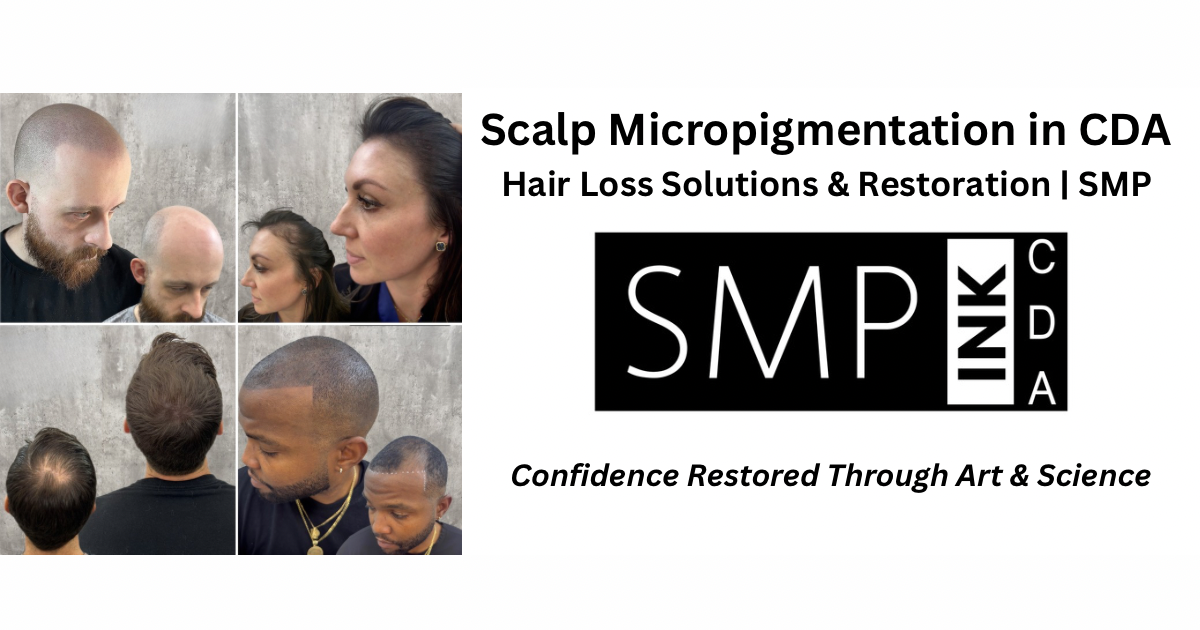
For men who want the appearance of a clean, closely shaved look, SMP for men can replicate the look of natural follicles and create the appearance of a fuller hairline or scalp.
For women with visible thinning, SMP for women can help reduce scalp visibility and create the appearance of thicker density.
Natural Regrowth vs. Cosmetic Restoration
There is an important difference between trying to regrow hair and improving the appearance of hair loss.
Natural regrowth focuses on helping the body produce healthier hair. This may be possible in certain situations, especially when the cause is temporary or correctable.
Cosmetic restoration focuses on the appearance of the hair and scalp. This does not require growing new hair. Instead, it improves the visual appearance of thinning, scalp contrast, hairline recession, or bald areas.
Both paths can be valid. They simply solve different problems.
Someone may pursue natural regrowth and still use cosmetic support. Another person may decide they are done waiting for regrowth and want a solution that improves their appearance more predictably. Another may combine medical guidance with SMP to achieve a more complete visual result.
The right choice depends on the person’s hair loss pattern, goals, budget, expectations, and timeline.
What Is Scalp Micropigmentation?
Scalp micropigmentation, commonly called SMP, is a non-surgical cosmetic procedure designed to create the appearance of natural hair follicles.
SMP does not regrow hair. It does not restart dormant follicles. It does not medically treat the cause of hair loss.
Instead, SMP uses specialized pigment and scalp-specific techniques to create the visual appearance of:
- Fuller density
- Reduced scalp visibility
- A cleaner hairline
- A closely shaved scalp
- Better balance in thinning areas
- Camouflage for certain scars or patchy areas
For many people, SMP is valuable because it does not depend on the body regrowing hair. It directly improves the visible appearance of hair loss.
How SMP Helps When Natural Regrowth Is Limited
When natural regrowth is uncertain, slow, incomplete, or unrealistic, SMP can provide a practical way to improve appearance.
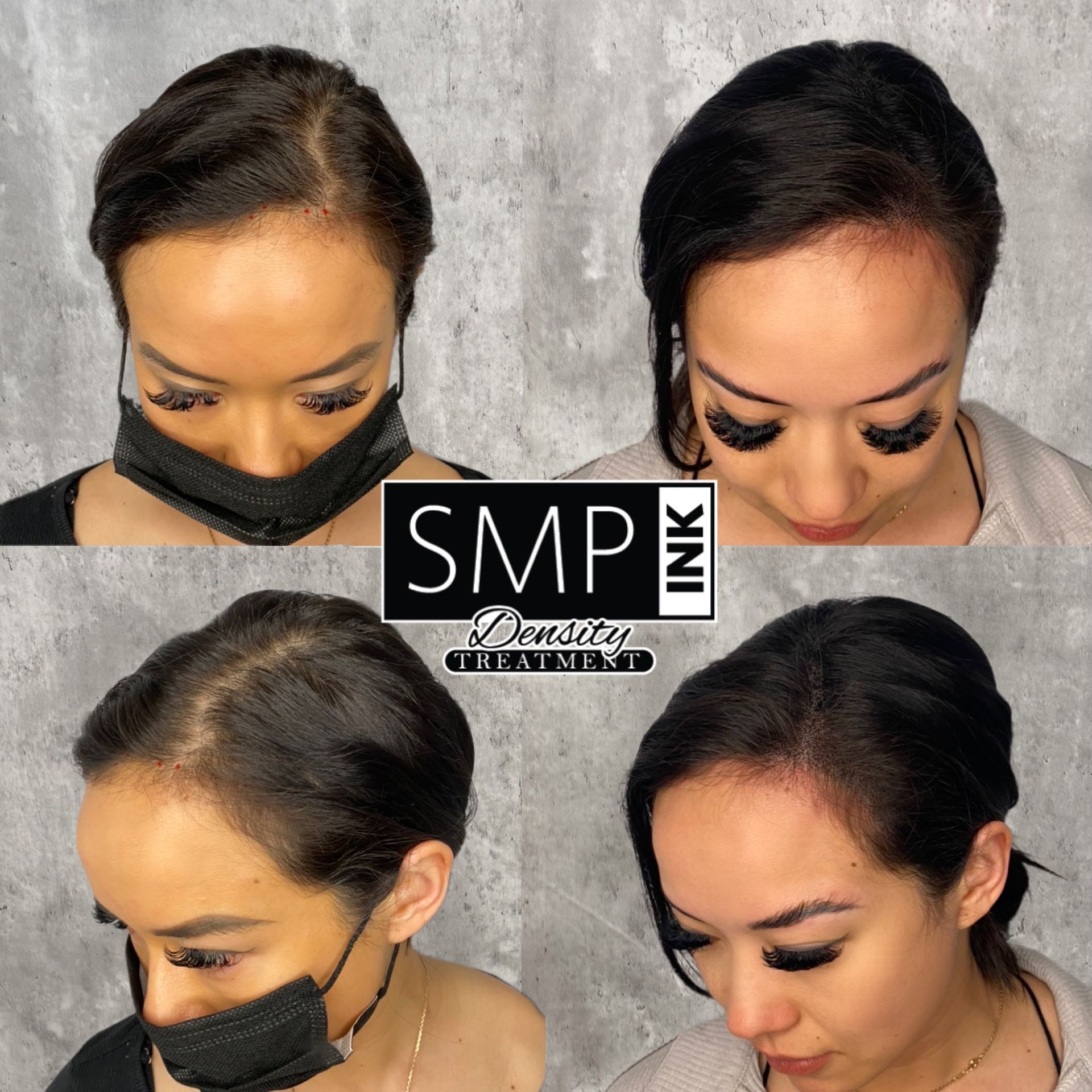
For people with thinning hair but existing coverage, SMP density fill can reduce the contrast between the scalp and surrounding hair. This creates the appearance of fuller density without daily fibers, sprays, or concealers.
SMP density fill may be a good fit for people who:
- Have visible scalp exposure
- Have thinning hair, but still have coverage
- Notice a widening part line
- See scalp visibility under bright lighting
- Want a fuller-looking appearance
- Are you tired of temporary hair fibers
- Want a non-surgical cosmetic option
For people with more advanced hair loss, SMP can recreate the look of a closely shaved scalp by replicating the appearance of shaved follicles. This can be especially appealing for men who are ready to stop hiding hair loss and move into a cleaner, more intentional look.
SMP for Hairlines, Density, Alopecia, and Scars
SMP can be adapted to several types of cosmetic hair loss concerns.
For clients with recession around the front hairline or temples, hairline restoration with SMP can create the appearance of a more defined, natural-looking hairline. The design should be age-appropriate, balanced, and suited to the client’s face shape.
For clients with patchy or uneven hair loss, alopecia treatment with SMP may help create a more even appearance. SMP does not cure alopecia or stop the medical process behind it, but it can improve the cosmetic appearance of certain areas affected by hair loss.
For clients with transplant scars or previous scalp procedures, SMP may help camouflage the contrast between scar tissue and surrounding hair. This can make the scalp appear more consistent and natural.
Does SMP Look Natural?
One of the biggest concerns people have is whether SMP will look fake or obvious.
When performed correctly, SMP should look subtle and natural in everyday life. The goal is not for people to notice a procedure. The goal is for the hairline, density, or scalp appearance to look more balanced.
Natural-looking SMP depends on:
- Proper pigment selection
- Correct depth
- Appropriate dot size
- Realistic hairline design
- Gradual density building
- Matching the client’s skin tone
- Matching the existing hair pattern
- Understanding how results soften over time
This is why provider experience matters. SMP is not simply a “hair tattoo.” It is a specialized cosmetic procedure that requires scalp-specific technique and artistic judgment.
Does SMP Hurt?
Most clients are surprised by how manageable the process feels.
Many describe SMP as mild irritation or light scratching. It is generally considered far less invasive than surgical hair restoration because there are no incisions, grafts, or stitches.
Comfort can vary from person to person, but many clients tolerate the process well. Some even relax enough to fall asleep during treatment sessions.
How Long Does SMP Last?
SMP is designed to be long-lasting.
Most clients can expect results to last for years before a touch-up may eventually be recommended. Longevity can vary based on skin type, sun exposure, lifestyle, aftercare, and how the pigment naturally softens over time.
At SMP Ink CDA, clients receive:
- One-year warranty coverage
- Lifetime client support
- Future touch-up options at reduced pricing
- Ongoing aftercare guidance
This long-term support is important because SMP is not only about the initial result. It is about helping the result continue to look natural over time.
Is SMP a Replacement for Natural Hair Regrowth?
No. SMP is not the same as natural regrowth.
SMP does not make hair grow. It does not replace medical treatment. It does not correct nutritional deficiencies, hormonal conditions, thyroid issues, or autoimmune hair loss.
Instead, SMP is an appearance-based solution. It is often best for people who want a more immediate and reliable visual improvement when regrowth is limited, unpredictable, or no longer their primary goal.
For some clients, SMP is the main solution. For others, it works alongside medical treatment, lifestyle changes, or other hair restoration efforts.
The important thing is understanding what SMP does and does not do. It improves the look of hair loss. It does not claim to reverse the biological cause of hair loss.
When Should You Consider a Hair Loss Consultation?
You may want to consider a consultation if thinning hair has begun to affect your confidence, daily routine, or quality of life.
A consultation may be helpful if you:
- Constantly check your hair in mirrors
- Avoid photos because of thinning hair
- Wear hats to hide your scalp or hairline
- Use hair fibers or concealers every day
- Feel frustrated by inconsistent regrowth products
- Have visible scalp exposure
- Have a receding hairline
- Have thinning around the crown
- Want a low-maintenance cosmetic option
- Want honest expectations before choosing a treatment
You can also review the SMP FAQs to learn more about treatment sessions, longevity, aftercare, cost considerations, and whether SMP may be appropriate for your hair loss pattern.
Recapping: Can Hair Loss Be Reversed Naturally?
Hair loss can sometimes be reversed naturally, but not always.
If the cause is temporary or correctable, such as stress-related shedding, poor nutrition, illness recovery, postpartum changes, or certain lifestyle factors, natural improvement may be possible over time.
If the cause is a genetic pattern of hair loss or advanced follicle miniaturization, complete natural reversal is usually much more difficult. In those cases, natural methods may help support scalp health, but they may not fully restore lost density.
At some point, many people decide to stop chasing unrealistic promises and focus on realistic outcomes that improve confidence and quality of life.
For some, that may mean medical guidance. For others, it may mean natural support and patience. For many clients, it means exploring scalp micropigmentation as a non-surgical way to improve the visible appearance of thinning hair, scalp exposure, hairline recession, or bald areas.
At SMP Ink CDA, our goal is to provide honest education, realistic expectations, and natural-looking scalp micropigmentation for clients throughout Coeur d’Alene, North Idaho, Spokane, and the surrounding region.
To learn more about whether SMP is a good fit for your hair loss concerns, schedule a consultation.
Frequently Asked Questions About SMP Treatment and Hair Loss
Can hair loss be reversed naturally?
Sometimes. Natural reversal is more likely when hair loss is temporary or connected to a correctable issue, such as stress, poor nutrition, illness recovery, postpartum changes, or certain deficiencies. Genetic hair loss is usually harder to reverse naturally.
Can thinning hair grow back?
Thinning hair may grow back if the follicles are still active and the trigger is temporary. If the thinning is caused by genetic pattern hair loss or long-term follicle miniaturization, full regrowth may be less realistic.
What is the best natural treatment for hair loss?
There is no single best natural treatment for every person. The right approach depends on the cause. Sleep, nutrition, stress reduction, and correcting deficiencies may support hair health, but they may not reverse genetic hair loss.
Does stress-related hair loss grow back naturally?
Stress-related shedding can improve naturally in many cases once the body stabilizes. However, it may take months to notice visible improvement, and stress can sometimes reveal underlying genetic thinning.
Can vitamins reverse hair loss?
Vitamins may help if hair loss is related to a deficiency. If you are not deficient, extra vitamins may not create significant regrowth. It is best to work with a medical provider before starting supplements for hair loss.
Can rosemary oil regrow hair?
Some people use rosemary oil as part of a natural hair care routine, but results vary. It should not be viewed as a guaranteed solution for all forms of hair loss, especially genetic or advanced thinning.
Does SMP reverse hair loss?
No. SMP does not reverse hair loss or regrow hair. It creates the appearance of fuller density, natural follicles, a more defined hairline, or a closely shaved scalp.
Is SMP a good option if natural hair regrowth does not work?
Yes, SMP may be a strong cosmetic option for people who want to improve the visible appearance of thinning hair, scalp exposure, bald areas, or hairline recession without surgery.